Exploring the Various Forms of Cannabis: A Beginner’s Guide
As cannabis becomes more mainstream, understanding its various forms can help you make informed choices about consumption. Whether you’re a seasoned user or new to the world of cannabis, familiarizing yourself with the different types available will enhance your experience. Let’s dive into the most common forms of cannabis and their distinct characteristics.
1. Flower (Buds)
Description: The most traditional form of cannabis, flower refers to the dried and cured buds of the cannabis plant.
Consumption: Typically smoked in joints, pipes, or bongs, or vaporized.
Why Choose Flower? It offers a wide range of strains, each with unique aromas, flavors, and effects. Users appreciate the immediate effects and the ritual of preparation and consumption.
2. Concentrates
Description: Concentrates are products made by extracting cannabinoids and terpenes from the cannabis plant, resulting in a product that is significantly more potent than flower.
Types of Concentrates:
- Shatter: A glass-like concentrate with a brittle texture and high THC content.
- Wax: A softer, more malleable concentrate that’s easy to handle.
- Oil: Often used for vaping, oils can come in various consistencies and potency levels.
- Live Resin: Made from fresh-frozen cannabis, preserving more terpenes and delivering a robust flavor profile.
Consumption: Usually consumed via dabbing or vaporizing.
Why Choose Concentrates? They are ideal for experienced users looking for faster onset times and stronger effects with less product.
3. Edibles
Description: Edibles are food products infused with cannabis, commonly available in candies, baked goods, beverages, and more.
Consumption: Ingested orally.
Why Choose Edibles? They provide a discreet and convenient way to consume cannabis, with effects that can last several hours. However, they take longer to kick in (30 minutes to 2 hours), so patience is key!
4. Tinctures
Description: Tinctures are concentrated cannabis extracts mixed with alcohol or glycerin. They usually come in dropper bottles.
Consumption: Taken sublingually (under the tongue) for quick absorption or added to foods and beverages.
Why Choose Tinctures? They offer precise dosing, are easy to use, and have a relatively fast onset compared to edibles. Tinctures are a great option for those who prefer not to smoke or vape.
5. Topicals
Description: Topicals are cannabis-infused creams, balms, and lotions designed for external use on the skin.
Consumption: Applied directly to the skin.
Why Choose Topicals? They are non-intoxicating and provide localized relief for conditions such as pain, inflammation, and skin issues without producing a psychoactive effect. Ideal for those seeking therapeutic benefits without the high.
6. Capsules and Pills
Description: These are cannabis-infused capsules or pills containing precise doses of cannabinoids.
Consumption: Taken orally like any other supplement.
Why Choose Capsules? They offer a familiar and discreet method of consumption with the added benefit of consistent dosing. Perfect for those who dislike the taste of edibles or tinctures.
Understanding the various forms of cannabis allows you to choose the best method for your needs and preferences. From the classic flower to the innovative concentrates and edibles, each form has its unique qualities and benefits. Whether you’re using cannabis for recreational enjoyment or medicinal purposes, exploring these different forms can enhance your experience and help you find what works best for you.
ere are some key facts about the various forms of cannabis:
1. Flower (Buds)
- Description: The natural, unprocessed form of cannabis made up of the dried flowers of the female cannabis plant.
- Potency: Typically contains a wide range of THC and CBD levels depending on the strain.
- Consumption Methods: Can be smoked in joints, blunts, pipes, or bongs; can also be vaporized for a healthier option.
- Effects: Effects are felt relatively quickly (within minutes) when smoked or vaporized.
2. Concentrates
- Description: Highly potent products extracted from the cannabis plant that contain a higher concentration of cannabinoids.
- Types Include:
- Shatter: A hard, brittle concentrate that breaks easily.
- Wax: Softer than shatter, usually sticky and easier to handle.
- Oil: Viscous concentrates often used in vape pens.
- Live Resin: Made from fresh cannabis, preserving more natural terpenes.
- Consumption: Typically consumed through dabbing or vaporizing.
- Potency: Concentrates can contain anywhere from 50% to over 90% THC.
3. Edibles
- Description: Food products infused with cannabis extracts, including candies, baked goods, drinks, and more.
- Onset Time: Effects typically take longer to onset (30 minutes to 2 hours) because they must be digested first.
- Duration: The effects can last several hours, often longer than smoking or vaping.
- Dosing: It’s important to start with a low dose due to delayed onset and stronger effects.
4. Tinctures
- Description: Liquid cannabis extracts made by soaking cannabis in alcohol or another solvent.
- Consumption: Taken sublingually (under the tongue) or added to food and drinks.
- Onset Time: Faster than edibles but slower than smoking; effects usually felt within 15-45 minutes.
- Potency: Can be highly concentrated, allowing for precise dosing.
5. Topicals
- Description: Cannabis-infused creams, balms, and oils designed for application to the skin.
- Usage: Primarily used for localized relief from pain, inflammation, or skin conditions.
- Psychoactivity: Most topicals do not cause psychoactive effects as they do not enter the bloodstream.
- Benefits: Popular for therapeutic purposes, particularly for chronic pain or skin issues.
6. Vapes
- Description: Devices that heat cannabis oil or flower to a temperature that releases cannabinoids in vapor form.
- Convenience: Portable and discreet, making them popular among users.
- Health Considerations: Generally considered a healthier alternative to smoking but should still be approached with caution regarding quality and ingredients.
7. Hash
- Description: A concentrated form of cannabis made from the resin of the plant.
- Consumption: Can be smoked, vaporized, or used in edibles.
- Potency: Often has a higher THC content than regular flower and can come in different forms, such as pressed blocks or powder.
Cannabis has been a part of human culture for thousands of years, used for medicinal, recreational, and industrial purposes. With the growing acceptance and legalization around the world, the market has expanded to include a variety of forms, each offering unique experiences and benefits. In this blog, we’ll explore the major forms of cannabis and what you need to know about each.
1. Flower (Buds)
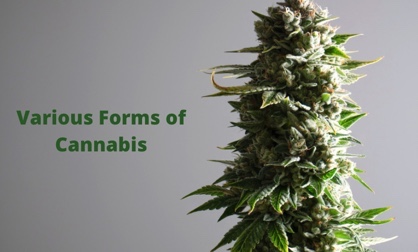
The most traditional and recognizable form of cannabis, flower refers to the dried buds of the female cannabis plant. Often enjoyed for its rich aroma, flavor, and varied effects, flower comes in countless strains, each with its unique profile of cannabinoids and terpenes.
- Potency: The potency of cannabis flower is usually determined by its THC (tetrahydrocannabinol) and CBD (cannabidiol) levels. Strains can range from low-THC to high-THC, catering to diverse consumer preferences.
- Consumption Methods: Flower can be smoked in joints, blunts, pipes, or bongs, or vaporized for a healthier option.
- Effects: When smoked or vaporized, effects are typically felt within minutes, making it a popular choice for both newcomers and experienced users alike.
2. Concentrates
Concentrates are cannabis products that have undergone extraction processes to isolate the active compounds, particularly THC and CBD. This results in a product that is much more potent than regular flower.
- Types of Concentrates:
- Shatter: A brittle, glass-like concentrate known for its purity.
- Wax: Softer and stickier than shatter, easier to handle.
- Oil: Commonly used in vape pens and capsules.
- Live Resin: Made from fresh cannabis flowers, retaining more terpenes and flavors.
- Consumption: Often consumed through dabbing or vaporizing, concentrates can deliver rapid, intense effects.
- Potency: Concentrates can contain 50% to over 90% THC, making them suitable for experienced users seeking strong effects.
3. Edibles
Cannabis edibles are food products infused with cannabis extracts. They range from gummies and chocolates to beverages and baked goods.
- Onset Time: Unlike smoking, edibles must be digested, leading to effects that typically take 30 minutes to 2 hours to kick in.
- Duration: The effects of edibles can last several hours, often longer than other consumption methods.
- Dosing: Due to the delayed onset, it’s crucial for users to start with a low dose and wait to gauge their effects before consuming more.
4. Tinctures
Tinctures are concentrated liquid cannabis extracts made by soaking the plant’s parts in alcohol or another solvent. They come in dropper bottles for easy dosing.
- Consumption: Tinctures can be taken sublingually (under the tongue) for quicker absorption or added to food and drinks.
- Onset Time: Effects usually manifest within 15-45 minutes when taken sublingually.
- Potency: Tinctures can be highly concentrated, making it easy to achieve precise dosing.
5. Topicals
Cannabis topicals are infused creams, balms, and lotions designed for application to the skin. They’re used primarily for localized relief from pain, inflammation, and skin conditions.
- Non-Psychoactive: Most topicals do not produce psychoactive effects as they typically contain little to no THC.
- Usage: Ideal for individuals seeking relief without the high associated with other methods of consumption.
While joints are considered the easiest way to consume cannabis, there also exist different forms of consuming cannabis for its effects. If you are not versed with the various forms of cannabis consumption, then this article is best for you. We have provided the different forms of consuming cannabis to help you determine which one is best for you.
Flower
This foremost method of cannabis consumption is flower. This is an ancient way of consuming cannabis as our ancestors also used to consume cannabis in the form of flower. The flower is the part of the cannabis plant that quickly blooms to buds over time. The flower of the cannabis plant includes the trimmed leaves as well as the stems. The entire cannabis plant is a flowering species categorized as either sativa, indica, or ruderalis
Hashish
Hashish is another form of cannabis that was used by our ancestors. The cannabis plants can secret a resin-like most other flowers. Industries process this resin and turn it into hash or hashish. The pressed resin can also be made in the form of cakes or blocks. Hashish contains high amounts of THC and can be consumed like regular joints.
Marijuana Concentrates
Cannabis concentrates are very popular due to their high potency. Concentrates are cannabis extracts that have been processed to remove unnecessary plant material and other impurities. There exist different types of cannabis concentrates with the popular ones being shatter and wax.
Shatter has the highest potency of all cannabis concentrates. It’s the replica of a tinted piece of glass or candy with a brittle or snappy texture. Shatter is usually extracted using different methods including butane or CO2. But butane extraction is hazardous and recommended only for experts.
Wax, also known as butter or frosting, is a popular cannabis concentrate for therapeutic use. Wax is different from shatter in different ways. It’s less potent and smoother than shatter. However, wax and shatter can be extracted using similar methods.
Edibles
Edibles are known for their discreetness and convenience. It allows cannabis enthusiasts to enjoy the benefits of cannabis without necessarily needing to smoke or vaporize. Edible can either food or beverage infused with cannabis and they usually include chocolates, gummy, and candies. There are THC edibles as well as CBD edibles. When consuming edibles, you may begin the feel the effects around 30 minutes after consumption. to
Topicals
Topicals are another form of cannabis that is suitable for users who want to gain the benefits of cannabis discretely. Topicals can be applied to the skin to provide relief for symptoms such as pain, rashes, or other skin conditions. Topicals can either be balms, creams, lotions, and sprays.
The reason for the high medicinal abilities of topicals is due to its high concentration of CBD. Doctors also recommend topicals for skin infections such as arthritis, muscle aches, and spasms.
Bottom line
There are many forms of cannabis for any user. It’s up to you to choose which method works best for you. If you want to avoid attention, then try edibles or topicals but if you want high hitting effects, then consume concentrates or hashish.
With the rising popularity and acceptance of cannabis, understanding the different forms available enhances your experience and allows for informed choices. Whether you prefer the traditional flower, the potency of concentrates, the convenience of edibles, or the targeted relief of topicals, there’s a type of cannabis for everyone. As always, remember to consume responsibly and stay informed about local laws and regulations regarding cannabis use.
Copyright © 2026 Medical Marijuana Doctor
Site by CannaPlanners