Comparing the Duration of Effects: Medical Marijuana Edibles vs. Vaping
Posted on October 5th, 2023 to Medical Cannabis Blog by

In the realm of medical marijuana consumption, patients have several options to explore. Two popular methods are edible ingestion and vaping. This blog post aims to compare the duration of effects between medical marijuana edibles and vaping. By understanding the time it takes for each method to take effect, how long the effects last, and other factors that contribute to their duration, patients can make informed decisions about which approach suits their needs best.

Edibles: From Ingestion to Duration

Edible forms of medical marijuana, such as gummies or infused foods, offer a discreet and easy-to-use method for patients. However, the onset time for edible effects can vary from individual to individual. This is due to factors such as metabolism, food intake, and tolerance levels. On average, it may take around 30 minutes to 2 hours for the effects of edibles to be felt. Once the effects kick in, they tend to last much longer compared to other methods, ranging from 4 to 8 hours or even more, depending on dosage and individual characteristics.

Vaping: Rapid Onset, Shorter Duration
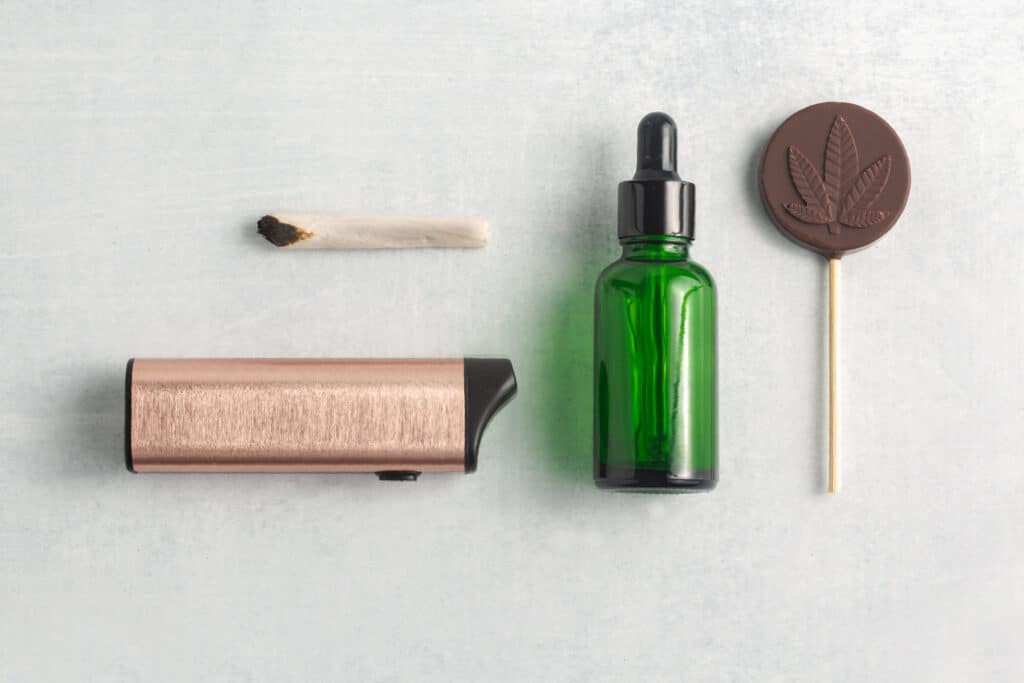
Vaping medical marijuana involves heating cannabis flower or concentrates and inhaling the vapor. This method offers a quicker onset time compared to edibles. Patients typically begin to feel the effects within minutes, making it ideal for those seeking immediate relief. However, the duration of the effects is relatively shorter compared to edibles. The effects of vaping cannabis generally last for 1 to 3 hours, although this can vary depending on the strain, potency, and individual factors.

Factors That Influence Duration

While considering the duration of effects, it is important to acknowledge the factors that can affect both edibles and vaping. The potency of the product, the dosage consumed, an individual’s tolerance level, and their metabolism all play a role. Higher potency products may have longer-lasting effects, while lower potency options may provide shorter durations. Additionally, an individual’s body composition and metabolism can also impact how long the effects are felt.

Understanding the DifferencesAs more people turn to medical marijuana for relief from various conditions, two popular consumption methods have emerged: edibles and vaping. Each method has its own unique benefits and drawbacks. In this blog, we’ll explore the differences between medical marijuana edibles and vaping to help you make a more informed choice about which might be right for you.

What Are Medical Marijuana Edibles?

Medical marijuana edibles are food products infused with cannabis extracts. They come in various forms, including brownies, gummies, chocolates, and beverages. The primary cannabinoid in these products is usually THC (tetrahydrocannabinol), although CBD (cannabidiol) edibles are also widely available for those seeking non-psychoactive options.

Pros of Edibles:

  1. Long-lasting Effects: Edibles provide a longer duration of relief, often lasting anywhere from 4 to 8 hours or more, depending on the dosage and individual metabolism.
  2. Discreet Consumption: Edibles can be consumed without drawing attention, making them a discreet option for patients who prefer privacy.
  3. Variety of Options: With numerous flavors and formulations available, edibles can be a tasty and enjoyable way to consume medical marijuana.

Cons of Edibles:

  1. Delayed Onset: Unlike vaping, which produces effects almost immediately, edibles can take anywhere from 30 minutes to 2 hours to kick in. This can lead to accidental overconsumption if patients aren’t careful.
  2. Dosing Challenges: It can be difficult to determine the appropriate dose with edibles, as different products may have varying levels of potency.
  3. Digestive Processing: The body processes edibles differently than inhaled cannabis, which can result in different effects, potentially leading to unwanted outcomes if users aren’t aware of how their body responds.

What Is Vaping?

Vaping involves inhaling vapor created by heating cannabis oil or flower in a vaporizer. This method delivers cannabinoids directly into the bloodstream through the lungs, resulting in quicker onset of effects compared to edibles.

Pros of Vaping:

  1. Rapid Onset: Vaping allows for almost immediate effects, typically within minutes, making it easier for patients to gauge their dosage and achieve the desired relief quickly.
  2. Controlled Dosing: Many vaporizers allow users to control the temperature and dosage, providing a more tailored experience.
  3. Less Odor: Vaping generally produces less smell than smoking, making it a more discreet option that doesn’t linger as long.

Cons of Vaping:

  1. Shorter Duration: The effects of vaping typically last for a shorter period (1 to 3 hours) compared to edibles, which may require more frequent use for ongoing relief.
  2. Potential Health Risks: While vaping is often considered less harmful than smoking, there are still health concerns associated with inhaling vaporized substances, including possible lung irritation and exposure to harmful additives found in some vape oils.
  3. Initial Costs: High-quality vaporizers can be expensive upfront, although they may save money in the long run by reducing the amount of cannabis needed for effective relief.

Which Method is Right for You?

Choosing between medical marijuana edibles and vaping ultimately depends on your individual needs, preferences, and medical conditions. Here are some factors to consider:

  • Condition Being Treated: If you require consistent, long-lasting relief (like chronic pain), edibles may be more suitable. For acute symptoms (like anxiety or nausea), vaping could be more effective due to its rapid onset.
  • Lifestyle Considerations: Your daily routine and social situation may influence your choice. If discretion is important, edibles might be the better choice, whereas vaping might suit those who need quick access to relief during the day.
  • Personal Preference: Taste, convenience, and comfort with the method of consumption are all important. Experimenting with both methods in moderation can help you find what works best for you.

Edibles vs. Vaping: Which Method of Consuming Medical Marijuana is Right for You?

As the acceptance and utilization of medical marijuana continue to grow, patients often find themselves navigating various consumption methods. Two popular options are edibles and vaping, each with unique benefits and drawbacks. In this blog, we’ll explore both methods to help you determine which might be best suited for your needs.

Understanding the Basics

Edibles are food products infused with cannabis extracts. Common forms include gummies, chocolates, baked goods, and beverages. They offer a discreet way to consume marijuana and can appeal to those who prefer not to smoke.

Vaping, on the other hand, involves inhaling vaporized cannabis oil or flowers. This method heats the product to a temperature that activates the cannabinoids without combustion, reducing the intake of harmful byproducts typically associated with smoking.

Onset and Duration of Effects

One of the most significant differences between edibles and vaping is how quickly they take effect:

  • Edibles: The onset of effects can take anywhere from 30 minutes to 2 hours after ingestion, depending on factors like your metabolism and the specific product consumed. However, the effects tend to last longer, typically ranging from 4 to 8 hours or more.
  • Vaping: The effects of vaping are felt almost immediately, often within minutes. This rapid response can be beneficial for patients seeking quick relief from symptoms such as pain or anxiety. However, the effects generally last for a shorter period, around 1 to 3 hours.

Dosing and Control

Edibles often come with clearly labeled dosages, allowing for easier management of how much THC (tetrahydrocannabinol) or CBD (cannabidiol) you’re consuming. This can be particularly helpful for beginners who are still figuring out their optimal dose. However, it’s essential to remember that homemade edibles can vary widely in potency, making precise dosing more challenging.

Vaping gives users the flexibility to adjust their intake on-the-fly. Since the effects are felt quickly, patients can gauge how much they need in real time and stop when they feel satisfied. This immediacy can help prevent overconsumption, which is a common issue with edibles due to their delayed onset.

Health Considerations

While both methods are generally considered safer than smoking, they each come with their own health considerations:

  • Edibles: One potential downside is the risk of overconsumption. Due to the delayed onset, users may eat more than intended, leading to intense and uncomfortable experiences. Additionally, many edibles are high in sugar or unhealthy fats, which can pose additional health risks.
  • Vaping: Vaping is often viewed as a healthier alternative to smoking, as it produces fewer harmful chemicals. However, the safety of vaping largely depends on the quality of the device and the product being used. Some unregulated vaping products may contain harmful additives, so it’s crucial to purchase from reputable sources.

Personal Preferences and Lifestyle

When choosing between edibles and vaping, personal preferences and lifestyle factors play a significant role:

  • Convenience: Edibles are portable and discreet, making them an excellent choice for on-the-go consumption. They don’t require any special equipment, unlike vaping devices, which need to be charged and maintained.
  • Taste and Enjoyment: Many users enjoy the taste of edibles, turning their medication into a treat rather than a chore. Vaping, while offering a range of flavors, may not provide the same culinary experience.
  • Symptom Management: If you’re looking for long-lasting relief for chronic conditions, edibles might be the better option. Conversely, if you need quick relief for sudden symptoms, vaping could be more effective.

FAQ: Medical Marijuana Edibles vs. Vaping

1. What are the main differences between edibles and vaping?

  • Onset Time: Edibles take longer to take effect (30 minutes to 2 hours), while vaping provides almost immediate effects.
  • Duration of Effects: Edibles typically last longer (4 to 8 hours or more), whereas vape effects generally wear off in 1 to 3 hours.
  • Consumption Method: Edibles are ingested, while vaping involves inhaling vaporized cannabis.

2. Which method is more effective for pain relief?

  • Both methods can be effective for pain relief, but the choice depends on personal preference. Edibles may provide longer-lasting relief, while vaping offers quick, short-term relief.

3. Are there any health risks associated with edibles?

  • Overconsumption is a risk due to delayed onset, leading some users to consume more than intended. Additionally, if edibles contain high sugar or unhealthy fats, they may pose other health risks.

4. Is vaping safer than smoking marijuana?

  • Vaping is often considered safer than smoking because it produces fewer harmful byproducts. However, the safety of vaping depends on the quality of the device and the cannabis product used.

5. What should I consider when choosing between edibles and vaping?

  • Consider factors such as the speed of relief needed, how long you want the effects to last, convenience, and your personal tolerance to cannabinoids.

6. Can I control the dosage with edibles?

  • Yes, many commercially available edibles come with clearly labeled dosages, making it easier to manage intake. However, homemade edibles may vary in potency, making precise dosing challenging.

7. Can I combine edibles and vaping?

  • Some patients choose to use both methods at different times depending on their needs. For instance, they might vape for quick relief and use edibles for longer-lasting effects.

8. Are there any legal restrictions on edibles and vaping?

  • Legal restrictions vary by location. It’s essential to check local laws regarding the purchase, possession, and use of both edibles and vaping products.

9. Do edibles have a smell like vaping?

  • Edibles typically do not have a noticeable smell, which makes them more discreet. In contrast, vaping may produce an odor, depending on the flavor and strain used.

10. Can beginners start with edibles?

  • Beginners may want to start with small doses of edibles to gauge their tolerance. Since effects can take time, it’s advisable to wait before consuming more.

Conclusion

When it comes to the duration of effects, medical marijuana edibles offer a longer-lasting experience compared to vaping. Edibles can provide relief for several hours, making them suitable for patients requiring sustained symptom management. On the other hand, vaping offers rapid onset but a shorter duration, which may work well for patients seeking immediate but shorter-term relief. Each method has its benefits and considerations, and patients should consult with healthcare professionals to determine the most appropriate method based on their medical condition, desired effects, and lifestyle factors.

Both medical marijuana edibles and vaping offer unique advantages and disadvantages. Understanding these differences can empower you to make informed choices about your treatment plan. Always consult with a healthcare professional before starting any new medical marijuana regimen to ensure that you choose the method that best suits your individual needs and health goals.

Both edibles and vaping have their merits and drawbacks, making them suitable for different scenarios and preferences. Your choice should depend on factors like the type of relief you’re seeking, your tolerance levels, lifestyle, and personal preferences regarding taste and convenience.

Remember to start with low doses, especially if you’re new to cannabis, and consult with a healthcare provider to determine the best approach for your medical needs. Ultimately, whether you choose edibles or vaping, the key is to find a method that works best for you and enhances your quality of life.

Need Help Obtaining Your MS Medical Marijuanas Card?

If you haven’t yet obtained your MS medical marijuanas card, be sure to take a look at Compassionate Care Consultant’s full guide on how to get a medical marijuanas card in Mississippi. Ready to schedule a consultation and take the next steps to become a registered patient? Reach out to schedule an appointment.


Copyright © 2025 Medical Marijuana Doctor

Site by CannaPlanners