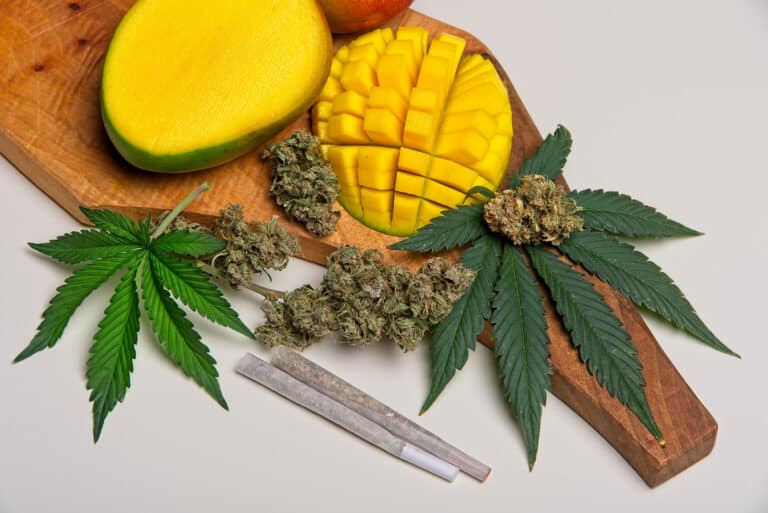
The cannabis industry is has become a multibillion-dollar industry, due to this there are numerous ways to consume cannabis. While cannabis provides low risk when compared to other drugs, there are still negative health effects from using it.
Vaping vs. Smoking: What You Need to Know
In recent years, vaping has surged in popularity, especially among younger populations. As many people seek alternatives to traditional cigarettes, understanding the differences between vaping and smoking is crucial for making informed choices about health. In this blog post, we’ll explore the key aspects of both smoking and vaping, including their health effects, addiction potential, and societal perceptions.
1. What is Smoking?
Smoking typically involves burning tobacco leaves, which releases nicotine along with thousands of harmful chemicals and toxins. This form of consumption is primarily associated with cigarettes, but can also include pipes, cigars, and hookah. The health risks of smoking are well-documented and include:
- Lung Diseases: Smoking is the leading cause of chronic obstructive pulmonary disease (COPD) and lung cancer.
- Cardiovascular Issues: Increased risk of heart disease and stroke.
- Addiction: Nicotine is highly addictive, making it difficult for users to quit.
2. What is Vaping?
Vaping, on the other hand, involves inhaling aerosol produced by an electronic cigarette or vaping device. These devices heat a liquid (often called e-liquid or vape juice) that typically contains nicotine, flavorings, and other chemicals. Some common misconceptions about vaping include:
- Perceived Safety: Many believe that vaping is a safer alternative to smoking. While it may expose users to fewer harmful substances, it is not without risks.
- Nicotine Levels: E-liquids come in various nicotine concentrations, which can lead to significant addiction potential, especially among inexperienced users.
3. Health Risks of Vaping
While vaping is generally considered less harmful than smoking traditional cigarettes, it still poses health risks:
- Lung Health: There have been reports of serious lung injuries associated with vaping, particularly with unregulated products or those containing THC.
- Nicotine Addiction: Vaping products often deliver high doses of nicotine, which can lead to addiction and increased usage over time.
- Chemical Exposure: Although vaping produces fewer toxic compounds than smoking, users can still be exposed to harmful substances such as formaldehyde, acrolein, and heavy metals from the device itself.
4. Comparative Analysis
Addiction: Both smoking and vaping can lead to nicotine addiction. However, the delivery method in vaping can lead to varying nicotine absorption rates, potentially increasing the risk of habitual use.
Long-Term Effects: The long-term effects of vaping are not yet fully understood, given that it is a relatively new phenomenon. Smoking’s long-term effects, conversely, are well-researched and demonstrate severe health implications.
Social Acceptance: Vaping is often perceived as more socially acceptable than smoking. Many public places now allow vaping where smoking is banned, contributing to its popularity among younger demographics.
5. Conclusion
Both smoking and vaping carry significant health risks, but they differ in their methods and perceived safety. While vaping may seem like a better choice than smoking, it is important to consider the potential health implications and the risk of addiction. For those looking to quit smoking, consulting with healthcare professionals about effective cessation strategies remains the best approach.
As more research emerges, staying informed about the risks associated with both smoking and vaping is essential for making healthy lifestyle choices. Whether you choose to smoke, vape, or abstain altogether, understanding the facts will empower you to prioritize your health.
Precisely, cannabis smoke is bad for the lungs, just like all smoke. Vaping is an alternative way of consuming cannabis. It involves using an electronic device to vaporize cannabis flowers or concentrate.
Most of us know about the harms of smoke on the lungs. However, whether vaping is safer than smoking remains unclear. There are limited studies on the effects of vaping and smoking cannabis on our health. However current studies show that vaping is safer than smoking. In this article, we’ll look on vaping and smoking.
Is Vaping Healthier Than Smoking?
While many believe that vaping is healthier than smoking, several studies have shown that this is true. Some studies show vaping as safer than smoking, but this is only true for tobacco. The researchers noted that vaping is a safer alternative to consuming cannabis.
According to a 2015 study, researchers stated, “While vaping cannabis decreases respiratory exposure to toxic particulates in cannabis smoke, this leads to less harm on the lungs. However, if you substitute cigarettes for e-cigarettes, it provides greater harm to the lungs.
Tobacco leads to more harm to the lungs than smoking. Therefore, while vaping is safer than smoking, it is not necessarily healthier in the case of tobacco. However, those who vape cannabis experience healthier effects in contrast to smoking.
The effect of cannabis highly depends on the methods you choose. When you combust cannabis in the form of blunts, there is no filtration happening to clean the smoke. This leads to excess coughing and possible adverse effects on the lungs. Vaping cannabis on the other hand offers smoother effects that don’t damage the lungs.
Research on vaping and smoking
Johns Hopkins Medicine researchers note that, in contrast to smoking cannabis, vaping led to an increase in short-term anxiety, paranoia, memory loss, and distraction when administered in the same dosage. They concluded after conducting a small study on infrequent cannabis users
The findings of the new study were published under the JAMA Network Open. The researchers highlighted the essence of dosing with the perception that vaping is safer than smoking. And the pleaded on medical and recreational cannabis dispensaries regulators to take note.
Vaping devices heat cannabis to a temperature that releases vapor from the plant. All the effects of the plant are released in the form of vapor. Vaping is believed to be a safe way to consume cannabis because it lacks toxic effects. When you burn cannabis is produced harmful components which may be harmful to your health.
However, according to researchers, vaping produces high amounts of THC for those who don’t use cannabis regularly. This increases the chances of adverse reactions.
Health Risks of Smoking:
- Cancer: Smoking is a leading cause of lung cancer and is linked to various other cancers (throat, mouth, esophagus, etc.
). - Respiratory Issues: Long-term smoking can result in chronic obstructive pulmonary disease (COPD), emphysema, and chronic bronchitis.
- Cardiovascular Disease: Smoking increases the risk of heart disease, stroke, and other cardiovascular issues.
- Addiction: Nicotine is highly addictive, making it challenging for smokers to quit.
What is Vaping?
Vaping involves the use of electronic cigarettes (e-cigarettes) or vape pens, which heat a liquid (often called e-liquid or vape juice) to produce an aerosol that users inhale. E-liquids typically contain a mix of nicotine, flavorings, and other chemicals, but they do not contain tobacco.
Health Risks of Vaping:
- Respiratory Concerns: While vaping is generally considered less harmful than smoking, it can still cause respiratory issues and lung irritation.
- Nicotine Addiction: Many e-liquids contain high levels of nicotine, leading to potential addiction similar to traditional cigarettes.
- Chemical Exposure: E-liquids may contain harmful substances, ranging from formaldehyde to diacetyl, which has been linked to “popcorn lung,” a serious lung condition.
- Long-Term Effects Unknown: Since vaping is relatively new, the long-term health effects are still being studied.
Key Differences Between Vaping and Smoking
- Composition: Traditional cigarettes burn tobacco, while e-cigarettes vaporize e-liquids that may or may not contain nicotine and other chemicals.
- Addictive Properties: Both smoking and vaping can lead to nicotine addiction, but the levels of nicotine can vary widely among e-liquids.
- Harmful Byproducts: Cigarette smoke contains tar and numerous harmful chemicals, whereas e-cigarette vapor has fewer known toxins, although it is not completely harmless.
- Social Perception: Vaping is often viewed as a more socially acceptable alternative to smoking, although this perception is changing as awareness of its potential risks grows.
- Regulation: Cigarettes are heavily regulated in many countries, while vaping products may have less stringent regulations, leading to variability in quality and safety.
What Should You Consider?
If you’re contemplating vaping as a means to quit smoking, here are some important considerations:
- Consult Health Professionals: Speak with a doctor or a cessation specialist to explore the best options for quitting smoking.
- Be Informed: Understand the ingredients in any vaping product you consider. Look for reputable brands that disclose their ingredients and prioritize safety.
- Be Cautious of Dual Use: Many individuals who switch to vaping end up using both cigarettes and e-cigarettes, which can complicate quitting efforts and increase health risks.
Trivia About Smoking:
- Historical Use: Tobacco was introduced to Europe from the Americas in the 16th century, and it quickly became popular across the continent.
- Cancer Link: The first studies linking smoking to lung cancer were published in the 1950s, leading to widespread public health campaigns against smoking.
- Cigarette Packaging: Many countries now require graphic health warnings on cigarette packages to deter smoking, showcasing the risks associated with tobacco use.
- Secondhand Smoke: Secondhand smoke contains over 7,000 chemicals, many of which are toxic, and can affect both smokers and non-smokers alike.
- Quitting Rates: Approximately 70% of smokers say they want to quit, but only about 6% succeed each year without assistance.
Trivia About Vaping:
- Introduction of E-Cigarettes: The first modern e-cigarette was invented in 2003 by a Chinese pharmacist, Hon Lik, as an alternative to smoking.
- Flavor Diversity: Vaping liquids come in countless flavors, from fruity and sweet to savory and even alcoholic beverages, making them appealing to a broader audience.
- Health Claims: Some users believe that vaping is a healthier option compared to smoking, but research is ongoing to fully understand the long-term effects.
- Youth Popularity: Vaping has become particularly popular among teenagers and young adults, raising concerns about nicotine addiction and potential health impacts.
- Vaping Devices: There are various types of vaping devices, including vape pens, pod systems, and box mods, each offering different features and customization options.
General Trivia:
- Global Impact: Both smoking and vaping have significant economic impacts, contributing billions in healthcare costs and lost productivity globally.
- Regulations: Different countries have varied regulations regarding the sale, advertising, and use of tobacco products and vaping devices, reflecting their stance on public health.
- Public Perception: While smoking is widely recognized as harmful, public perception of vaping is evolving, with some seeing it as a harm-reduction tool, while others caution against its unknown health effects.
Conclusion
Overall, vaping and smoking offer their benefits and drawbacks. You can choose a method based on your personal preferences and your lifestyle. If you choose to vape, ensure to buy your vape pen from a trustworthy brand.
While vaping may present a less harmful alternative to smoking traditional cigarettes, it’s essential to be aware of the risks associated with both practices. The best choice for your health is to avoid both smoking and vaping altogether. If you’re struggling with nicotine addiction, consider reaching out for support through counseling or smoking cessation programs. Remember, your health is worth the effort!
Copyright © 2025 Medical Marijuana Doctor
Site by CannaPlanners